Severe weather is an unfortunate reality for homeowners across Northwest Georgia. Whether it is spring thunderstorm season in Cobb County, high winds sweeping through Paulding and Bartow counties, or sudden hail storms hitting Polk and Douglas counties, severe weather can leave your property vulnerable. When a storm strikes, your home: your family's primary sanctuary: takes the brunt of nature's force.
Knowing how to respond immediately and effectively can mean the difference between a minor repair and a costly, full-scale structural disaster. At New Image AI, we believe that education and preparedness are your best defense. Below is an essential, step-by-step restoration and repair guide to help you navigate storm damage safely, protect your investment, and restore your peace of mind.
1. Prioritize Immediate Safety Above All Else
Before you step outside to assess missing shingles or inspect your yard for debris, your absolute first priority must be personal and family safety. Storms frequently cause unseen structural instability and hidden electrical hazards.
- Check for Structural Integrity: If you notice sagging roof lines, leaning exterior walls, or unusual creaking sounds coming from your attic, evacuate the home immediately.
- Watch for Downed Power Lines: Never approach or touch downed power lines or flooded areas where electricity may be active. If you smell gas or suspect a gas leak, leave the premises and call emergency services at once.
- Stay off the Roof: Never climb onto a wet or damaged roof yourself. Shingles become extremely slippery after rain, and weakened roof decking can easily collapse under your weight.
- Gear Up for Debris Cleanup: When clearing fallen branches or debris from your property, always wear protective gloves, safety glasses, and sturdy footwear.
If you suspect severe structural compromise, do not wait: contact local emergency services and reach out to our team at 678.444.4901 for immediate professional guidance throughout Marietta, Dallas, Cartersville, Douglasville, Cedartown, and surrounding areas.
2. Document Every Detail for Your Insurance Claim
When filing an insurance claim after a storm, thorough documentation is your strongest asset. Insurance adjusters require clear, objective evidence of weather-related impacts before approving repairs or full roof replacements.
- Photograph and Video Everything: Before moving any debris or making temporary fixes, capture wide-angle and close-up shots of your roof, gutters, siding, windows, and any interior water stains.
- Keep a Detailed Timeline: Note the exact date and time the storm hit, along with a written log of every conversation you have with your insurance provider.
- Save All Receipts: Keep every receipt for temporary materials (such as tarps or plywood) and emergency accommodations if you were forced to relocate. Many standard policies reimburse these mitigation expenses.
- Understand Mitigation: Most Georgia homeowners insurance policies require you to take reasonable, immediate steps to prevent further damage: known as mitigation: while waiting for your adjuster to arrive.

3. Inspecting Your Roof: What to Look For and When to Act
Your roof is your home's first line of defense against the elements. After a severe weather event, checking your roof from a safe vantage point is crucial to stopping water intrusion before it compromises your drywall and framing.
Ground-Level Inspection Checklist
From the safety of your yard or driveway, scan your roofline for these warning signs:
- Missing, Crushed, or Lifted Shingles: Wind gusts easily tear away unsecured shingle tabs, leaving underlying felt exposed.
- Granule Loss: Check your gutters and downpours. If they are filled with thick layers of dark granules, your shingles have experienced severe hail impact and are nearing the end of their lifespan.
- Damaged Flashing: Look closely around chimneys, vent pipes, and roof valleys where metal flashing may be bent or separated.
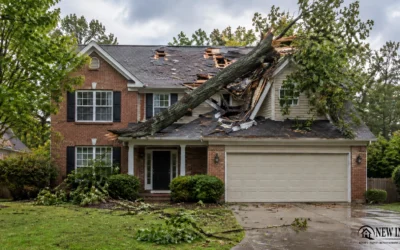
- Fallen Limbs: Heavy branches resting on your roof can puncture decking and crack surrounding shingles.
Temporary Roof Protection (Tarping)
If rain is in the forecast and your roof has sustained a breach, acting within 24 to 48 hours is essential. Covering exposed decking with heavy-duty tarps or plywood prevents gallons of water from pouring into your attic space. If you cannot safely perform temporary tarping yourself, our certified roofing technicians are equipped to secure your property promptly.
4. Protecting Your Foundation Through Gutter and Siding Restoration
Water management is the cornerstone of exterior preservation. When gutters and siding take a beating during heavy downpours, neglected damage quickly escalates into foundational erosion and wood rot.
Gutter Damage Assessment
- Loose or Detached Brackets: High winds easily pull aluminum and seamless gutters away from fascia boards.
- Dents and Dings: Hail strikes leave noticeable dents on metal gutters, which can disrupt water flow and trap debris.
- Improper Drainage: Ensure your downspouts discharge rainwater at least 5 to 10 feet away from your foundation to prevent basement flooding and crawlspace moisture buildup.

Siding and Window Checks
Walk the entire perimeter of your home to inspect your siding panels and windows. Look for fresh cracks, punctures, or loose panels, particularly on the windward side of the house. Inside your home, run your hand along walls adjacent to exterior windows and siding; peeling paint, bubbling drywall, or musty odors are clear indicators that wind-driven rain has penetrated your exterior envelope.
5. Preventing Mold and Interior Water Damage
Hidden moisture is a silent home destroyer. Even if roof and siding damage appears minor on the surface, wind-driven rain can seep behind walls and into attic insulation.
- Monitor for 72 Hours: Keep a close eye on ceilings and upper walls for any developing water rings or damp spots.
- Promote Airflow: If minor water intrusion occurs, run household fans and portable dehumidifiers immediately to accelerate the drying process.
- Call Certified Restoration Experts: If you detect persistent musty odors or visible mold growth, do not attempt a DIY cleanup. Mold spreads rapidly in Georgia's humid climate and requires professional containment and removal.
6. When to Call Local Professionals
Knowing when to transition from a DIY assessment to calling a trusted professional protects both your safety and your wallet. You should immediately contact a licensed, locally owned contractor if:
- Your roof or wall coverings were breached and rain entered the interior.
- You notice interior water stains, active dripping, or structural sagging.
- A large tree or heavy limb has impacted your property.
- You are preparing to file an insurance claim and want an honest, comprehensive roof inspection.
At New Image AI, we pride ourselves on delivering honest inspections with zero high-pressure sales. As a preferred contractor with industry leaders like Owens Corning, CertainTeed, GAF, IKO, and Sherwin-Williams, we bring superior craftsmanship to every project across Cobb, Paulding, Polk, Bartow, and Douglas counties.

7. Proactive Maintenance to Safeguard Your Northwest Georgia Home
The best way to handle storm damage is to minimize its impact before the next severe weather front rolls in. Incorporate these proactive maintenance habits into your seasonal routine:
- Schedule Bi-Annual Inspections: Have your roof and gutters inspected professionally every spring and fall.
- Keep Gutters Clear: Clean leaves, twigs, and shingle debris regularly to ensure unobstructed drainage.
- Trim Overhanging Trees: Cut back dead or low-hanging branches that pose an impact risk during high-wind storms.
- Seal Windows and Doors: Re-caulk exterior gaps and inspect weatherstripping to prevent moisture intrusion.
Partner With Northwest Georgia's Trusted Restoration Experts
Navigating storm damage doesn't have to be an overwhelming experience. With over 600 five-star reviews and a proven commitment to quality craftsmanship, New Image AI is here to protect your property and restore your peace of mind. Whether you need emergency roof tarping, precise storm damage repairs, seamless gutter installations, or full-scale property restoration, our local team is just a phone call away.
Don't wait for minor storm damage to turn into a major emergency. Call us today at 678.444.4901 to schedule your honest, no-obligation roof inspection.

#NewImageRoofs #NewImagePainting #NewImageConstruction #NewImageRenovation #NewImageRestoration #SouthMark #NewImageAI