Your home is more than a structure. It protects your family, your belongings, and one of your most important financial investments. After a severe storm moves through Northwest Georgia, restoring that protection requires more than replacing a few shingles. You need a careful plan that addresses safety, water intrusion, structural damage, insurance documentation, and long-term mitigation.
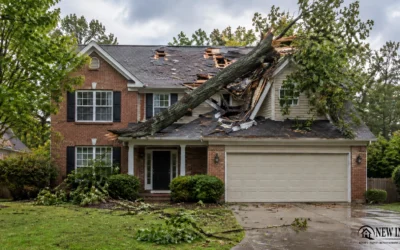
Storms can affect homes across Cobb, Paulding, Polk, Bartow, and Douglas Counties in different ways. Hail may damage shingles and gutters in one neighborhood while high winds, fallen limbs, and heavy rain create serious roof and interior damage nearby. Prompt action is essential because a small opening in your roof can quickly lead to soaked insulation, damaged ceilings, wood rot, and mold growth.
If your property has been affected, the following steps can help you make informed decisions before rebuilding begins.
1. Make Safety Your First Priority
Before inspecting your home, confirm that the storm has fully passed and that it is safe to go outside. Stay away from downed power lines, damaged utility poles, unstable trees, and areas with standing water near electrical equipment.
Do not climb onto a storm-damaged roof. Wind, rain, and structural damage can make roof surfaces extremely dangerous, even when the damage looks minor from the ground.
Instead, complete a ground-level inspection and look for:
- Missing, lifted, cracked, or displaced shingles
- Exposed underlayment or roof decking
- Dented gutters, flashing, vents, or downspouts
- Fallen branches or trees resting on the roof
- Broken windows or damaged doors
- Water stains on ceilings and walls
- Sagging ceilings or unusual movement in walls
- Loose siding, trim, soffits, or fascia
If you see a sagging ceiling, active electrical hazard, or major structural movement, leave the affected area and contact the appropriate emergency professionals.

2. Prevent Additional Damage Through Immediate Mitigation
After a storm, mitigation means taking reasonable steps to prevent the damage from becoming worse. This is not the same as beginning permanent repairs. The goal is to stabilize the property until a complete inspection and restoration plan can be prepared.
Safe temporary actions may include:
- Moving furniture and personal belongings away from leaks
- Placing containers beneath active drips
- Relocating electronics from wet areas
- Covering damaged belongings if it can be done safely
- Taking photographs before cleanup or disposal
Professional mitigation may include emergency roof tarping, window board-up, debris removal, water extraction, and structural drying. These steps are crucial when rain has entered through the roof or openings around windows and doors.
Do not attempt to tarp a steep or damaged roof yourself. A professional crew has the safety equipment and experience to secure the property without creating additional hazards.
Water damage also requires urgency. Wet drywall, insulation, flooring, and framing may continue absorbing moisture after the storm ends. In Georgia’s warm, humid climate, delayed drying can increase the risk of mold and permanent material damage.
3. Document the Damage Before Rebuilding
Thorough documentation is essential when you are preparing an insurance claim. Begin only after the property is safe to enter.
Take wide-angle photographs of every affected area, followed by close-ups that show specific damage. Include images of:
- The roof and roofline
- Gutters, flashing, vents, and downspouts
- Interior ceilings, walls, flooring, and insulation
- Broken windows, doors, siding, and trim
- Fallen trees, branches, and exterior debris
- Damaged furniture, appliances, electronics, and personal items
Create a written inventory of damaged belongings. Include approximate purchase dates, model numbers, receipts, and estimated replacement costs when available.
Keep copies of all related records, including:
- Emergency service invoices
- Tarping or board-up receipts
- Cleanup and debris-removal costs
- Temporary housing or hotel expenses
- Contractor estimates
- Inspection reports
- Correspondence with your insurance carrier
Avoid discarding damaged materials or belongings before your insurer or adjuster has had an opportunity to inspect them, unless they create a safety or sanitation hazard. If something must be removed, photograph it first and keep receipts for the work.
4. Schedule a Professional Storm Damage Inspection
A professional inspection can identify problems that are difficult to see from the ground. Hail may leave small impact marks or compromise shingle integrity without creating an immediate leak. Wind may lift shingle edges and break seals, allowing water to enter during the next rainstorm.
An experienced inspector should evaluate the entire roofing system, including:
- Shingles or metal roofing panels
- Underlayment
- Roof decking
- Flashing around chimneys, walls, and valleys
- Pipe boots and roof penetrations
- Ridge caps and ventilation
- Gutters and fascia
- Attic insulation and visible framing
The inspection should also consider the home’s siding, windows, paint, soffits, and drainage system. Storm damage restoration in Georgia is often a multi-trade project. Repairing the roof while overlooking damaged gutters or siding can leave your property vulnerable to continuing moisture intrusion.
New Image AI provides honest inspections without high-pressure sales tactics. If your roof can be repaired, a qualified contractor should explain that option. If the damage is widespread or the roof system is near the end of its service life, a replacement may provide better long-term protection.
5. Understand Roof Repair Versus Roof Replacement
The correct solution depends on the type, location, and extent of the damage.
A roof repair may be appropriate when:
- Damage is limited to a small, localized area
- The roof decking remains structurally sound
- The existing roofing system is relatively young
- Replacement materials can be properly matched
- Flashing or ventilation components can be restored
A full roof replacement may be more practical when:
- Shingle loss is widespread
- Hail has affected multiple roof slopes
- The roof decking is damaged
- Water has reached the attic or interior structure
- The roofing system is already near the end of its service life
- Previous repairs have created multiple vulnerable areas
If you are searching for roof repair in Cobb County or a roof replacement in Marietta, GA, request a written scope of work. It should explain the materials, tear-off process, decking repairs, ventilation, flashing, cleanup, warranties, and expected timeline.
You can explore roofing services through New Image Roofs.
6. Verify Drying and Moisture Removal Before Rebuilding
Rebuilding should not begin until moisture has been properly addressed. Installing drywall, flooring, insulation, or paint over damp materials can trap moisture inside the wall or ceiling assembly. That can lead to odors, mold, deteriorated framing, and repeated repairs.
A professional mitigation process may include:
- Water extraction
- Air movers
- Commercial dehumidifiers
- Moisture-meter readings
- Removal of unsalvageable materials
- Cleaning and odor control
- Mold prevention or remediation when necessary
A room may feel dry while moisture remains inside framing, subfloors, or insulation. Moisture readings provide a more reliable way to determine whether the structure is ready for reconstruction.

If mold, contaminated water, or significant structural damage is present, specialized restoration services may be required before cosmetic work begins. New Image Construction offers restoration and renovation solutions through B Hawk Contracting, helping homeowners coordinate the work needed to return a property to a safe, functional condition.
7. Work Carefully With Your Insurance Company
Notify your insurance carrier promptly after the storm and ask about the next steps for emergency mitigation and inspection. Your policy may include specific requirements regarding temporary repairs, documentation, contractor selection, and claim deadlines.
You should:
- Report the loss as soon as possible
- Ask whether emergency tarping and water mitigation are covered
- Request your claim number and adjuster information
- Keep all receipts and written communication
- Attend the adjuster inspection when possible
- Provide your contractor’s written estimate and photographs
- Ask questions before signing an assignment or contract
A contractor can document visible and hidden damage, provide a detailed estimate, and communicate technical information during an adjuster visit. However, your insurance carrier determines coverage under the terms of your policy. Be cautious of anyone who guarantees claim approval or pressures you to sign immediately.
8. Rebuild With Future Storms in Mind
Restoration is an opportunity to improve your home’s resistance to future weather events. Ask your contractor about practical upgrades such as:
- Impact-resistant or upgraded roofing materials
- High-quality underlayment and properly installed flashing
- Correctly sized seamless gutters and extended downspouts
- Improved attic ventilation
- Durable exterior paint and sealed trim
- Weather-resistant siding
- Energy-efficient replacement windows
- Tree trimming near the roof and power lines
- Improved caulking and weather stripping
Gutters deserve special attention. Damaged or undersized gutters can send stormwater toward the foundation, causing soil erosion, basement moisture, or foundation concerns. A properly installed seamless gutter system helps direct water away from the home and reduces future maintenance problems.
For related exterior upgrades, visit New Image AI or explore New Image Painting Group and All Window Service.
Choose a Local Restoration Partner You Can Trust
Storm damage is stressful, but you do not have to manage the entire process alone. A reliable local contractor can help you move from emergency mitigation to a clear rebuilding plan while keeping safety, documentation, and long-term value in focus.
New Image AI serves homeowners throughout Marietta, Dallas, Cartersville, Douglasville, Cedartown, Villa Rica, Kennesaw, Acworth, Hiram, Rockmart, and surrounding Northwest Georgia communities. With more than 600 five-star reviews, preferred-contractor relationships with Owens Corning, GAF, CertainTeed, IKO, and Sherwin-Williams, and a commitment to honest inspections, our team is prepared to help protect your property.
If you need a roofing company near me, prompt professional guidance can help prevent a manageable repair from becoming a major restoration project.
Call New Image AI at 678.444.4901 to schedule an honest storm damage inspection and discuss your next steps.
#NewImageRoofs #NewImagePainting #NewImageConstruction #NewImageRenovation #NewImageRestoration #SouthMark #NewImageAI