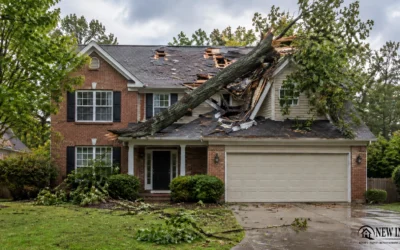
Your roof protects far more than the structure above your head. It protects your family, your belongings, and the peace of mind that comes from knowing your home is ready for the next storm. In Northwest Georgia, late August is an ideal time to inspect and maintain your roof before fall rain, falling leaves, high winds, and winter weather put additional stress on your roofing system.
A few prompt repairs now can help you avoid interior water damage, emergency service calls, and more expensive restoration work later. Use this checklist to prepare your roof in Cobb, Paulding, Polk, Bartow, and Douglas Counties.
Safety reminder: Perform visual checks from the ground whenever possible. Do not walk on a wet, steep, or damaged roof. Leave roof-level inspections and repairs to a qualified professional.
1. Schedule a Professional Roof Inspection
A ground-level inspection can identify obvious problems, but it cannot reveal every issue. A professional roofer can examine shingle condition, flashing, roof penetrations, ventilation, decking, and areas where water may be entering.
A fall inspection is especially crucial if:
- Your roof is more than 10–15 years old.
- Your home experienced hail, high winds, or falling branches.
- You have noticed leaks, ceiling stains, or damp attic insulation.
- Granules are collecting in your gutters or around downspouts.
- The roof appears uneven, sagging, or visibly worn.
A professional inspection does not automatically mean you need a roof replacement. An honest contractor should explain what needs immediate attention, what can be monitored, and what may be part of a longer-term maintenance plan.
At New Image AI, we provide honest roof inspections with no high-pressure sales. Our goal is to give you clear information so you can make a responsible decision for your property.
2. Check for Missing, Lifted, or Damaged Shingles
Shingles endure intense summer UV exposure, heat, heavy rain, and strong thunderstorms. By late summer, minor damage may be present even if your roof looks acceptable from the driveway.
From the ground, use binoculars to look for:
- Missing shingles or shingle pieces in the yard.
- Cracked, curled, blistered, or lifted shingles.
- Dark or bare areas where granules have worn away.
- Exposed nail heads.
- Loose ridge caps near the peak of the roof.
- Damage around roof valleys and edges.
If you notice a lifted shingle, it can allow wind-driven rain to enter beneath the roofing material. If you see missing shingles, the roof deck may be exposed to moisture and UV rays. These problems should receive prompt attention before fall storms make them worse.

Do not assume a small damaged area is harmless. Water can travel beneath shingles before appearing as an interior stain. Addressing isolated damage early may prevent the need for larger repairs.
3. Inspect Flashing, Seals, and Roof Penetrations
Flashing directs water away from vulnerable joints. It is installed around chimneys, plumbing vents, skylights, wall intersections, and other roof penetrations. Because these areas interrupt the roof’s main surface, they are common locations for leaks.
Look for:
- Rusted or corroded metal flashing.
- Loose or lifted flashing.
- Cracked, dried, or missing sealant.
- Gaps around vent pipes.
- Damaged rubber pipe boots.
- Water stains near chimneys, skylights, or roof-to-wall transitions.
If you notice cracked sealant, it is a sign that water may eventually find a path into the roof assembly. If flashing is loose, wind can lift it further and allow moisture underneath.
Flashing repairs require more than applying a quick bead of caulk. The underlying installation must be checked to determine whether the flashing is properly integrated with the shingles and water-shedding layers. Have a professional evaluate these areas rather than covering a potential problem temporarily.
4. Clean and Test Gutters and Downspouts
Your roof and gutter system work together. Gutters collect runoff from the roof, while downspouts move it away from the foundation. When leaves, pine straw, and storm debris block that path, water can back up under shingles or overflow onto fascia, siding, landscaping, and foundation walls.
Before fall leaf drop, inspect your gutters for:
- Leaves, twigs, and roofing granules.
- Sagging sections.
- Loose hangers or fasteners.
- Separating seams.
- Rust or visible holes.
- Downspouts that are clogged or disconnected.
Flush the system with a garden hose if it is safe to do so. Water should flow freely through the gutters and exit the downspouts without backing up. Downspouts should discharge water several feet away from your foundation. UGA Extension’s home maintenance checklist recommends directing discharge at least 2–3 feet away from the house; longer extensions may be appropriate depending on your grading and drainage conditions.

If your property has mature trees or heavy leaf accumulation, schedule another gutter cleaning after most leaves have fallen. Gutter guards may also reduce maintenance, but they still require periodic inspection and cleaning.
5. Check Attic Ventilation and Insulation
Your attic plays an important role in roof performance. Balanced ventilation allows warm, humid air to escape while intake vents bring in outside air. This helps control condensation, protect roof decking, and reduce moisture-related deterioration.
Check that:
- Soffit vents are open and free of debris.
- Ridge vents, gable vents, or attic fans are functioning.
- Insulation is not blocking soffit vents.
- Ventilation baffles are in place where needed.
- Insulation coverage is continuous rather than thin or uneven.
- The attic does not have a persistent musty odor.
If attic ventilation is blocked, moisture can accumulate on rafters, nails, and roof decking. Over time, that moisture may contribute to mold, wood deterioration, and reduced roof life. If insulation is inadequate, heat loss can also increase your energy costs during cooler weather.
Ventilation should be evaluated as a complete system. Adding an exhaust vent without adequate intake ventilation may not solve the underlying problem. A roofing professional can assess whether your attic has appropriate airflow and whether additional work is needed.
6. Look for Signs of Water Damage Inside Your Home
Not every roof leak produces an immediate drip. Water may travel along rafters or inside walls before becoming visible. Inspect your attic, ceilings, and upper walls after heavy rain and throughout the fall season.
Watch for:
- Brown or yellow ceiling stains.
- Bubbling or peeling paint.
- Sagging drywall.
- Damp or compressed insulation.
- Dark marks on rafters or roof decking.
- Mold or mildew growth.
- Musty odors.
- Daylight visible through the roof deck.
- Damp areas near chimneys, vents, or skylights.
If you notice a new stain, it is a sign that moisture has entered the home. If you see active dripping or sagging drywall, take immediate action to protect furniture and flooring, then contact a roofing professional. Do not wait for the area to dry and assume the problem has resolved.
A leak that appears only during heavy rain can still cause serious damage over time. Prompt diagnosis helps identify the source before moisture affects insulation, framing, drywall, flooring, or electrical components.
7. Trim Overhanging Branches and Remove Roof Debris
Trees add beauty and shade, but branches that overhang your roof can create a serious storm risk. Limbs may scrape shingles, drop debris into valleys, or break during high winds.
Before fall storms:
- Trim branches that touch or hang directly over the roof.
- Remove dead or weakened limbs near the home.
- Clear leaves and small branches from roof valleys.
- Keep debris from collecting around chimneys and roof penetrations.
- Hire an arborist for large or hazardous branches.
Do not attempt to cut large limbs near power lines or the roof yourself. Professional tree service can reduce the risk of personal injury and accidental roof damage.
8. Address Small Repairs Before They Become Major Problems
A small roof repair can become a much larger project when fall and winter weather expose it repeatedly to wind-driven rain. Damaged shingles, deteriorated flashing, clogged gutters, and soft fascia should not be placed on an indefinite “to-do” list.
If you notice a problem, ask:
- Can water enter through this area?
- Could high winds lift or worsen the damaged material?
- Is moisture reaching the attic, fascia, or siding?
- Has the issue appeared more than once?
- Is the affected area expanding?
If the answer to any of these questions is yes, schedule an assessment soon. Professional repairs can help protect the roof structure and may extend the useful life of the existing system.
When replacement is appropriate, New Image AI works with premium material partners including Owens Corning, GAF, CertainTeed, and IKO. We can help you compare suitable roofing options based on your home, budget, appearance goals, and long-term protection needs.
Prepare Your Northwest Georgia Roof Before Storm Season
Fall maintenance is valuable whether you live in Marietta, Dallas, Cartersville, Douglasville, Cedartown, Kennesaw, Acworth, Hiram, Villa Rica, Smyrna, Powder Springs, Austell, Rockmart, or Lithia Springs. Homes throughout Cobb, Paulding, Polk, Bartow, and Douglas Counties experience intense summer sun, heavy rainfall, falling leaves, and periodic severe storms.
Use late August to schedule your inspection, plan gutter maintenance, trim nearby branches, and repair visible problems while weather conditions remain favorable. Taking action now gives you more time to make informed decisions and helps reduce the chance of an emergency during a storm.
For reliable roof inspections, repairs, replacements, and storm damage restoration, contact New Image AI at 678.444.4901. You will receive an honest assessment, clear recommendations, and professional guidance without high-pressure sales.
Proactive maintenance protects your home, preserves your investment, and gives you greater peace of mind throughout the fall and winter seasons.
Sources and Further Reading
- University of Georgia Extension: Home Maintenance Checklist
- GAF: Roof Maintenance Is Key to Storm Preparation
#NewImageRoofs #NewImagePainting #NewImageConstruction #NewImageRenovation #NewImageRestoration #SouthMark #NewImageAI